8 Swiss Banks with U.S. Branches for Expats, Nomads, and Retirees
This guide explains how Swiss banks with U.S. branches can help Americans manage their finances more smoothly while living abroad.

In recent years, many U.S. expats and digital nomads have faced unexpected account closures from major American banks due to strict compliance rules. This has left Americans abroad struggling to manage income, savings, and investments without disruption.
For those living overseas, how do you manage your U.S.-based income, pensions, Social Security payments, and investments without the constant anxiety of compliance or the risk of sudden closures? Enter Swiss banks with branches in the United States.
Known for their stability and global expertise, these institutions serve as a bridge between U.S. regulations and international banking. They can provide access to multi-currency accounts, investment options, and more reliable cross-border support.
This guide explains how Swiss banks with U.S. branches can help Americans manage their finances more smoothly while living abroad.
Swiss banks with US branches: Why they work well for expats, nomads, and retirees
U.S. expats, digital nomads, and retirees have unique financial needs and face particular challenges when managing money overseas. Traditional American banks, designed primarily for domestic customers, often struggle to accommodate the complexities of international finance.
The limitations become increasingly apparent from issues like costly foreign transaction fees and difficulties accessing local currencies to navigating the intricate regulatory maze of FATCA and international tax reporting.
Eligibility for Swiss bank accounts may depend on whether you are a U.S. citizen, Swiss citizen, resident, or non-resident, as citizenship and residency status can affect your account options and requirements.
Swiss banks, known globally for their strength, discretion, and sophisticated financial services, offer tailored solutions designed to meet the needs of internationally mobile Americans. These banks understand the need for cross-border financial fluidity, offering multi-currency accounts that effortlessly handle income streams and expenses in multiple currencies.
Their robust digital platforms ensure secure, 24/7 account access from anywhere in the world, making them ideal for the tech-savvy nomad or retiree managing their finances remotely. Swiss banks are also highly experienced in serving international clients from nearly every country, providing customized services to address a wide range of financial needs.
Moreover, Swiss banks excel in wealth management, providing personalized investment strategies that align with the complexities of U.S. tax obligations, estate planning across jurisdictions, and international diversification.
Swiss banks offer stability and predictability for retirees who depend on fixed incomes like Social Security or pensions, safeguarding their financial independence against currency fluctuations and regulatory changes. Swiss banks help both citizens and residents navigate cross-border financial requirements, supporting compliance and helping clients pursue appropriate financial solutions.
Choosing a Swiss bank with a U.S. branch means combining Switzerland’s trusted financial system with American institutions' compliance and regulatory oversight. Before making your final choice, carefully consider which Swiss bank with a U.S. branch best fits your citizenship or residency status and financial goals.
This dual benefit offers unparalleled peace of mind and convenience for U.S. expats, nomads, and retirees, effectively resolving many of the challenges faced when banking across borders.

Benefits of a Swiss bank account
Opening a Swiss bank account offers many benefits for individuals and institutions seeking to manage their wealth internationally. Swiss banks are governed by stringent laws and privacy policies, designed to protect clients’ assets and deliver banking services with a high level of integrity.
With a Swiss bank account, clients gain access to a wide range of international services, including multi-currency accounts, global investment opportunities, and expert wealth management. The focus on asset protection is a hallmark of Swiss banking, providing peace of mind for those looking to secure their financial future. Additionally, Switzerland's stable economic environment further enhances the security and reliability of Swiss bank accounts.
Whether you are managing personal wealth or institutional funds, the benefits of a Swiss bank account include enhanced privacy, robust financial safeguards, and the ability to effectively manage and diversify your portfolio on a global scale.
Eligibility criteria
To open a Swiss bank account, individuals and institutions must meet specific eligibility criteria that vary by bank and account type. Generally, applicants must provide a valid passport, proof of address, and documentation verifying their income or source of funds.
Additional documents, such as a certificate of incorporation, business license, or company registration, may be necessary for corporate or business accounts. Swiss banks are diligent in verifying their clients' identity and financial background to comply with international regulations and ensure the integrity of their banking services.
It is important to consult directly with your chosen Swiss bank to confirm the exact eligibility criteria and required documents for your account type, as requirements may differ between banks and account offerings.

Regulatory environment
One of the greatest advantages of Swiss banks with U.S. branches lies in their deep understanding of the complex regulatory environments governing both Switzerland and the United States. The introduction of FATCA (Foreign Account Tax Compliance Act) significantly changed how financial institutions worldwide handle American clients, creating a minefield of compliance challenges that have driven many banks away from serving U.S. expats.
However, Swiss banks with U.S. branches uniquely bridge this gap by operating under both regulatory frameworks. These banks are required to comply with FATCA, which can simplify aspects of your tax reporting and support accurate, timely information flows between your financial institutions and the IRS, which is the U.S. Department of the Treasury’s tax authority.
This compliance reduces your personal administrative burden and mitigates the risk of fines or penalties associated with reporting inaccuracies. As part of their compliance procedures, Swiss banks verify customer identity through robust KYC processes, which may include document checks or video calls during remote onboarding.
Additionally, accounts with Swiss banks that have U.S. branches often include FDIC (Federal Deposit Insurance Corporation) coverage for U.S. dollar deposits, providing up to $250,000 in protection per depositor, per insured bank. This level of protection is particularly reassuring for retirees or any individual who relies on secure, predictable financial planning.
Swiss banks are also equipped to handle other regulatory the Report of Foreign Bank and Financial Accounts (FBAR). Filing these forms to remain compliant with U.S. tax regulations is crucial.
Their expertise and proactive guidance can help you stay compliant and avoid potential regulatory pitfalls, allowing you to focus more confidently on your international lifestyle.
In short, Swiss banks with U.S. branches offer an appealing combination of Swiss financial security, American regulatory oversight, and ease of compliance, making them well-suited as financial partners for American expats, nomads, and retirees navigating the complexities of cross-border finance.
Selecting the right Swiss bank for your needs
When considering a Swiss bank with a U.S. presence, it’s crucial to align the bank’s offerings with your specific needs and lifestyle. Many banks have a dedicated team of professionals to help clients choose the account that best suits them, so you can make an informed choice.
For example, large institutions like UBS Bank USA are well-suited for those seeking comprehensive banking solutions with FDIC-insured accounts, investment management, and extensive digital banking capabilities. Clients can expect a wide range of services and strong support, including reliable customer service and integrated financial planning. They often appeal to retirees and expats who prioritize reliability, integrated financial planning, and robust customer service.
Boutique institutions like Julius Baer or Pictet, on the other hand, may attract high-net-worth individuals or sophisticated investors who value personalized advisory services, bespoke investment strategies, and concierge-level attention. It is also important to understand the bank's ATM network and any associated fees, especially if you plan to access funds internationally or use out-of-network services.
Digital-first Swiss banks, such as Alpian, can be especially attractive to digital nomads and younger expats. These platforms typically offer streamlined onboarding, lower account minimums, competitive FX rates, and intuitive mobile interfaces tailored for individuals constantly on the move.
Ultimately, selecting the right Swiss bank involves clearly identifying your financial priorities—whether they are wealth preservation, ease of currency management, simplified tax compliance, or personalized investment strategies—and matching those priorities with the strengths of each institution.
Before making a final decision, be sure to review the details of each bank’s offerings, including account requirements, fee structures, and compliance procedures, so you can choose the financial partner best suited to your international lifestyle.
Minimum deposit requirements
The minimum deposit required to open a Swiss bank account can vary widely, depending on the bank, the account type, and the client's profile. Some Swiss banks may set a minimum deposit as low as $250,000, while others, especially those catering to high-net-worth individuals or institutional clients, may require significantly higher amounts.
Researching and comparing the minimum deposit requirements of different Swiss banks is essential to find the best fit for your financial situation and banking needs. Certain banks may offer more flexible terms for clients with substantial assets or institutional clients seeking specialized banking services. Understanding the minimum deposit requirements helps you navigate your options and select a Swiss bank that aligns with your financial goals.
Fees associated with a Swiss bank account
Swiss bank accounts typically have a range of fees, including monthly maintenance charges, ATM withdrawal fees, and wire transfer fees. The specific fee structure will depend on the bank, the type of account, and the services you use.
Swiss banks may also charge for account management, investment advisory, or other specialized banking services.
Reviewing the fee schedule provided by your Swiss bank before opening an account is crucial to ensure you are fully aware of the costs involved in maintaining your account. Sometimes, banks may offer fee waivers or discounts to clients who maintain a minimum balance or use specific banking services.
Swiss banks and Swiss-affiliated institutions with U.S. presence
FDIC-Insured
Several Swiss banks operate FDIC-insured branches or subsidiaries within the United States, providing secure, reliable, and convenient banking solutions explicitly tailored for U.S. expats, nomads, and retirees.
1. UBS Bank USA

- Entity Type: FDIC-insured, state-chartered bank
- FDIC Insurance: Deposits are insured up to $250,000 per depositor
- Key Locations: Salt Lake City, Utah
- Primary Services: Checking and savings accounts, investment management, personal lending, global ATM access (with a robust global ATM network and clear information on in-network and out-of-network fees), comprehensive digital banking, wealth management, securities-backed lending, mortgages, and debit/credit cards. UBS clients benefit from the expertise of a dedicated advisory team that guides them through complex financial decisions.
- Ideal For: High-net-worth individuals seeking integrated financial solutions with extensive global reach and the convenience of access.
Comment
by u/ComedyJ from discussion
in FinancialCareers
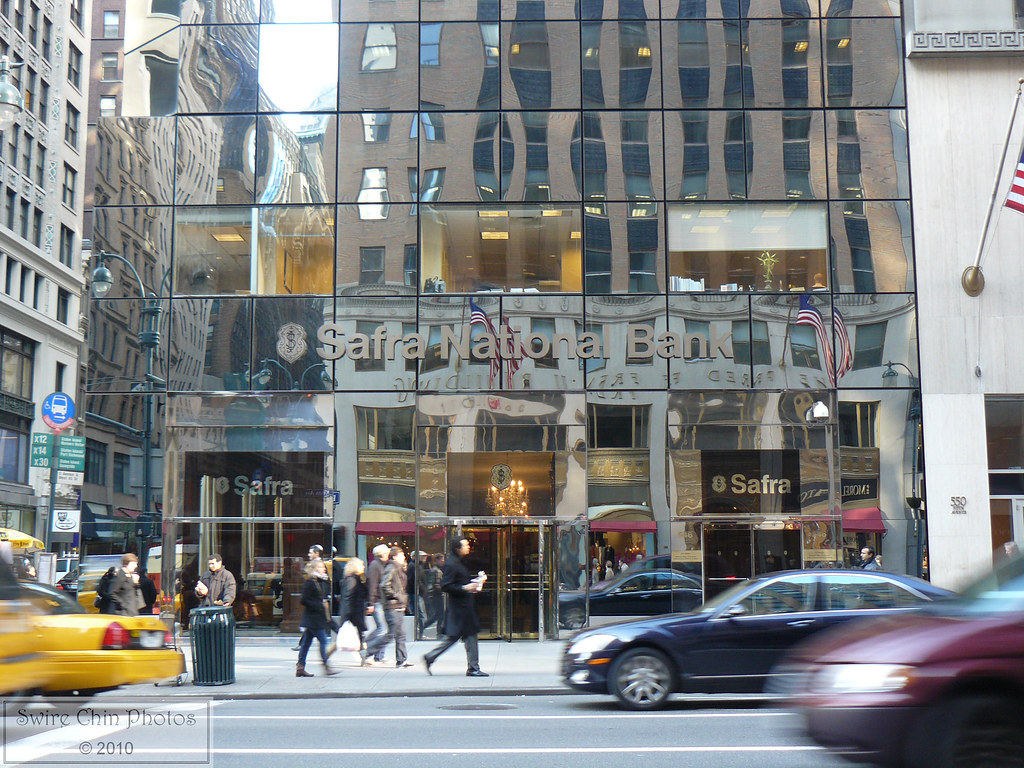
2. Safra National Bank of New York
- Entity Type: FDIC-insured national bank
- FDIC Insurance: Deposits insured up to $250,000 per depositor
- Key Locations: New York City, Miami, Aventura, Palm Beach
- Primary Services: International private banking, multi-currency accounts, tailored credit products, asset management, investment advisory, wire transfers, and personalized financial solutions.
- Ideal For: High-net-worth individuals requiring personalized private banking services, exceptional service, multilingual support, and specialized financial management.
3. M.Y. Safra Bank, FSB
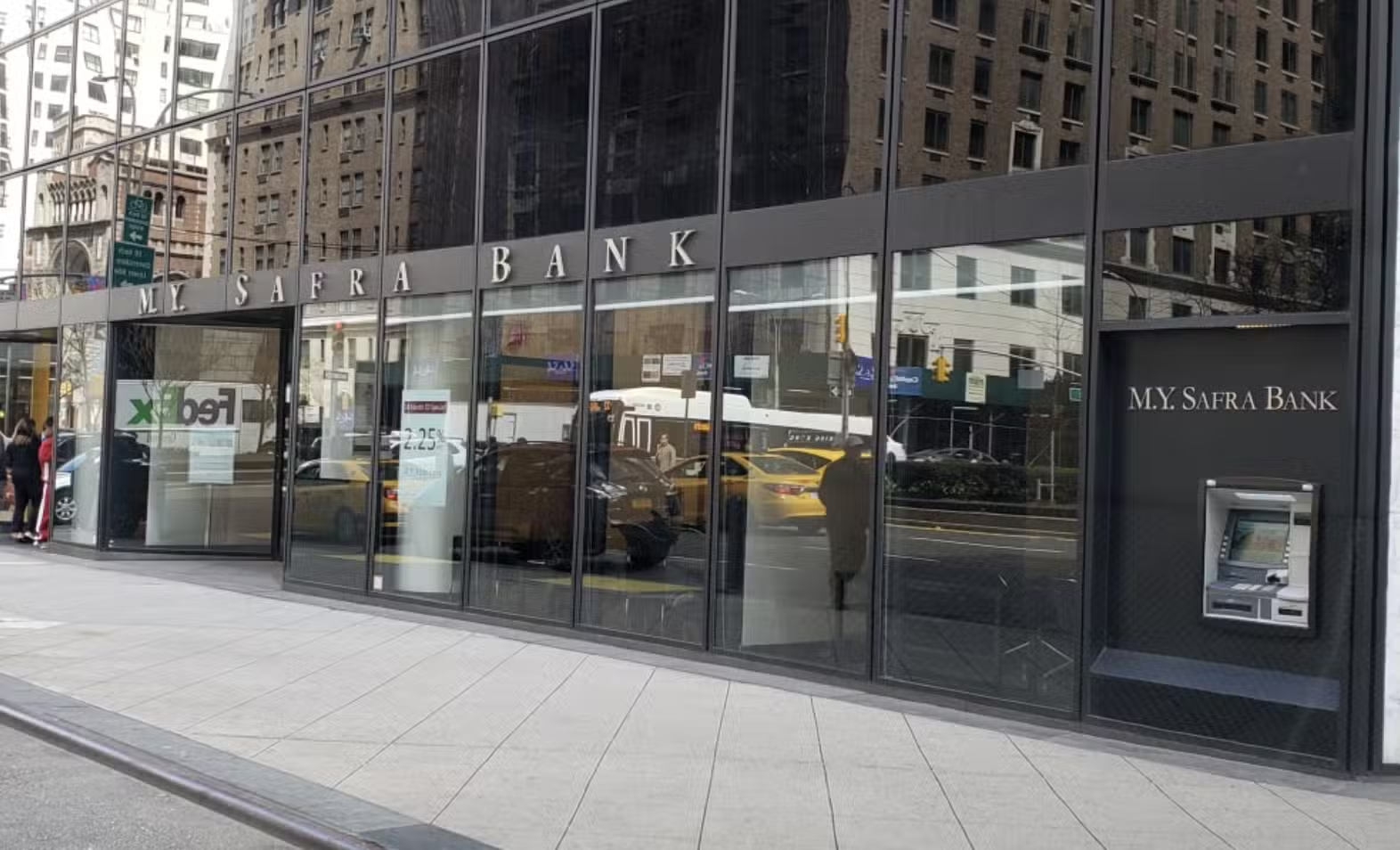
- Entity Type: FDIC-insured federal savings bank
- FDIC Insurance: Deposits insured up to $250,000 per depositor
- Key Locations: New York City (digital banking nationwide)
- Primary Services: Checking and savings accounts, competitive deposit rates, foreign currency accounts, precious metal accounts, specialty loans, comprehensive online banking, mobile deposits, and private banking services. The bank pays close attention to account details with a strong focus on accuracy and regulatory compliance, and clients can expect high service quality and transparency throughout their banking experience.
- Ideal For: Individuals seeking both everyday banking convenience and specialized private banking options with flexible minimum balance requirements.
4. HAB Bank (Habib American Bank)
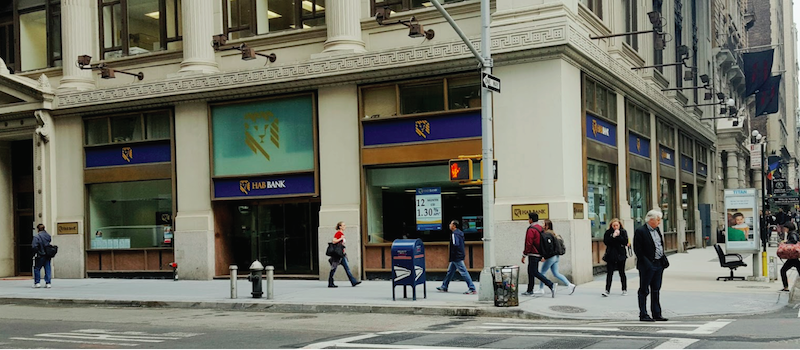
- Entity Type: FDIC-insured commercial bank
- FDIC Insurance: Deposits insured up to $250,000 per depositor
- Key Locations: New York City, Long Island, New Jersey, Southern California
- Primary Services: Community-oriented banking, checking and savings accounts, certificates of deposit, international wire transfers, debit cards, commercial real estate financing, trade finance and online and mobile banking.
- Ideal For: Expats, retirees, and individuals seeking accessible, community-focused banking services, modest minimum balance requirements, and effective management of international financial transactions.
Comment
by u/Mountain-Heat8400 from discussion
in askswitzerland
Non-FDIC-Insured
These organizations are well-equipped to serve international clients with specialized financial needs.
Some prominent Swiss banks maintain branches in the U.S. that are not FDIC-insured. While these branches do not offer FDIC protection, they still provide robust financial services tailored to specific client needs.
5. UBS AG New York Branch

- Entity Type: Foreign bank branch, not FDIC-insured
- Key Locations: New York City; major regional centers in Geneva and Zurich, Switzerland, serving international clients
- Primary Services: Investment banking, asset management, securities trading, wealth management, and institutional services.
- Ideal For: High-net-worth individuals and institutional investors seeking sophisticated financial services without FDIC-insured deposit accounts.
6. Julius Baer Investment Management LLC
- Entity Type: SEC-registered investment advisory firm, not FDIC-insured
- Key Locations: New York City
- Primary Services: Asset and wealth management, investment advisory, and bespoke portfolio management, with a dedicated advisory team focused on the details of each client's portfolio.
- Ideal For: High-net-worth clients seeking personalized investment solutions and asset management, supported by an experienced team attentive to every detail.
7. EFG Capital International Corp. (EFG International)
- Entity Type: SEC-registered broker-dealer and investment adviser (Swiss private bank subsidiary), not FDIC-insured
- Key Locations: Miami, New York, Chicago, Los Angeles
- Primary Services: Wealth management, cross-border investment advisory, portfolio management, international financial planning, brokerage services, multi-currency investment solutions, and tailored advisory for globally mobile clients. EFG is known for its entrepreneurial approach and personalized client relationships, often offering more flexible solutions than larger institutions.
- Ideal For: High-net-worth expats and internationally mobile clients looking for customized wealth management with a strong cross-border focus, particularly those who prefer a more boutique private banking experience.
8. Pictet North America Advisors SA (Pictet Group)
- Entity Type: SEC-registered investment adviser (Swiss private bank affiliate), not FDIC-insured
- Key Locations: New York City, Montreal (North America presence)
- Primary Services: Discretionary portfolio management, institutional asset management, long-term investment strategies, ESG-focused portfolios, and advisory services for international clients. Pictet is known for its conservative investment philosophy and long-term wealth preservation approach.
- Ideal For: High-net-worth individuals and families seeking stable, long-term wealth management and international diversification, particularly those prioritizing capital preservation over aggressive growth.
When choosing between FDIC-insured and non-FDIC-insured Swiss banks in the U.S., consider your specific financial needs, risk tolerance, and desired services.
How to open and manage your Swiss bank account from abroad
Opening and managing a Swiss bank account with a U.S. branch while living abroad can be straightforward if you follow these practical steps. Applicants can expect to provide specific personal details, verify their identity, and file required forms as part of the account opening and compliance process.
Step 1: Gather essential documentation
Prepare the following documents to streamline the account opening process:
- Valid U.S. passport
- Proof of residence abroad (such as utility bills, rental agreement, or residency permit)
- Tax identification number (Social Security number)
- Proof of income or source of funds (salary statements, investment returns, pension documents)
- Completed IRS W-9 form for FATCA compliance
- U.S. address – if you no longer maintain one stateside, SavvyNomad’s U.S. Residential Address plan provides a bona fide residential (non-P.O. box) U.S. street address that many banks and brokers can use for CIP/KYC documentation and for sending correspondence. Acceptance always depends on each institution’s policies, and the address itself does not guarantee account approval or any particular outcome.
Step 2: Choose your Swiss bank
Evaluate banks based on your unique needs, including:
- FDIC-insured options for U.S. dollar deposits
- Availability of multi-currency accounts
- Quality of digital banking tools
- Minimum balance and account fees
- Investment management services tailored for Americans abroad
Step 3: Initiate contact and onboarding
- Contact the chosen bank’s U.S. branch either online or by phone.
- Schedule a virtual or in-person meeting (if available) for identity verification and account setup.
- Complete required forms and documentation, typically via secure digital channels.
Step 4: Fund your account
- Transfer initial deposit via wire from an existing U.S. or international account.
- Consider currency exchange rates and fees; some Swiss banks offer competitive FX services or recommend cost-effective third-party solutions.
Step 5: Regular management and compliance
- Regularly review account statements through secure digital portals.
- Ensure compliance with FBAR (Report of Foreign Bank and Financial Accounts) and FATCA obligations by keeping accurate records and timely filings.
- Leverage bank-provided tools or financial advisors for investment guidance, currency management, and tax optimization.
- Use automatic mail scanning from your SavvyNomad address so you’re much less likely to miss a statement or debit-card PIN.
By systematically following these practical steps, you can maintain better control over your financial assets, enhance security, and feel more confident as you live your international lifestyle.