Can a digital nomad get a US driver’s license?
Can you get a US driver’s license as a digital nomad? Learn the requirements, best states, and how to set up your address correctly.

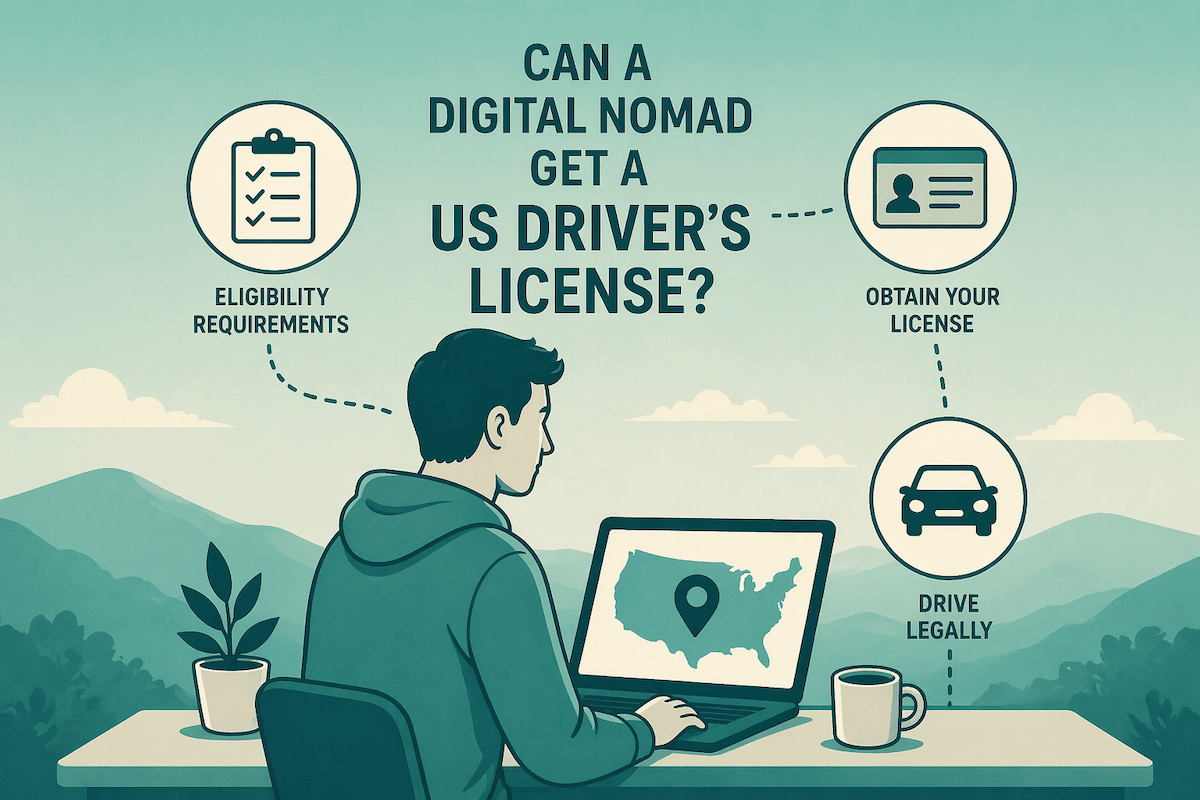
Being a digital nomad gives you freedom. You aren’t limited to one city, one office, or even one country.
However, some things still need a fixed connection to a place. Getting a U.S. driver’s license is one of those things. With millions of Americans now working remotely and living nomadically, practical questions like getting a driver’s license are becoming more common.
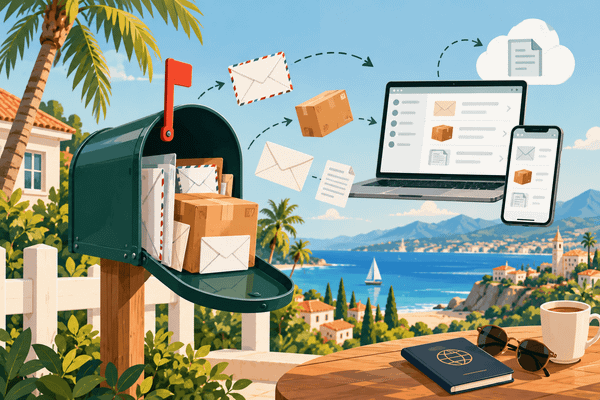
Many nomads believe that leaving a traditional home makes it impossible to obtain or retain a license. Some try using virtual mailboxes or temporary addresses, but often face unexpected problems.
But the truth is a bit more complicated.
You can get or keep a U.S. driver’s license as a digital nomad, but it depends on how you handle your home state, address, and paperwork.
This guide will show you how the process works, which states make it easier, and how to avoid common mistakes that can slow things down or get your application rejected.
Yes, a digital nomad can get or keep a U.S. driver’s license, but you still need a legal domicile and a compliant residential address.
Your lifestyle doesn’t matter as much as your paperwork. DMVs require proof of residency in a specific state, and most virtual mailbox addresses won’t qualify.
States like Florida, Texas, and South Dakota are popular, but requirements vary and usually include an in-person visit.
The key is making sure your address, license, and records all match, so your setup is consistent and accepted across systems.
In short: yes, but it depends on your situation
You can definitely have a U.S. driver’s license while living as a nomad.
But there isn’t a license that works without a home base.
Every U.S. driver’s license comes from a specific state. That state must consider you a resident, even if you don’t live there all the time.
Whether you can get or keep a license depends on:
- Your domicile state
- Your address setup
- That state’s DMV requirements
Some states are more flexible and used to working with RVers and travelers. Others expect a more traditional residential setup.
What do you actually need to get a US driver’s license?
Each state has its own rules, but the basics are usually the same.
You’ll typically need:
- Proof of identity (passport or similar ID)
- A Social Security number or equivalent documentation
- Proof of residency in the state
- In some cases, proof of legal presence
For digital nomads, proving residency is usually the hardest part.
You can travel as much as you want, but your paperwork still needs to show one state as your legal home.
Why your address matters more than your lifestyle
This is where most people have problems.
DMVs don’t look at your lifestyle. They look at your address.
You’ll usually need to provide a residential address that meets the state’s requirements. This is different from:
- A mailing address
- A PO box
- A CMRA (commercial mailbox) address
Many virtual mailbox services provide CMRA addresses, which may not be accepted for driver’s licenses.
States use address verification systems, and if your address doesn’t qualify as residential, your application can be delayed or denied.
Check out recent Reddit conversations about a driving license for digital nomads:
Best state to be a resident for a nomad?
by u/Erudicial_Extreme in urbancarliving
Best states for digital nomads to get a driver’s license
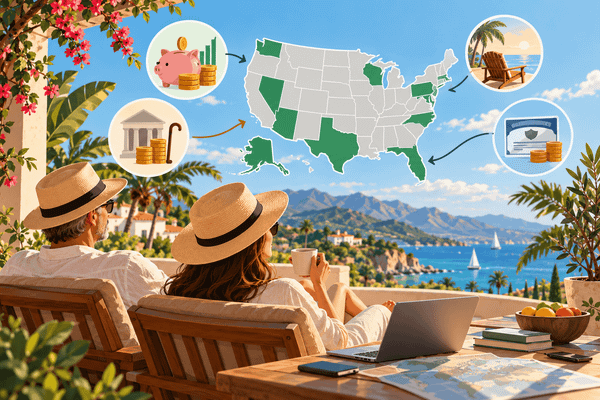
Some states are much easier for nomads than others.
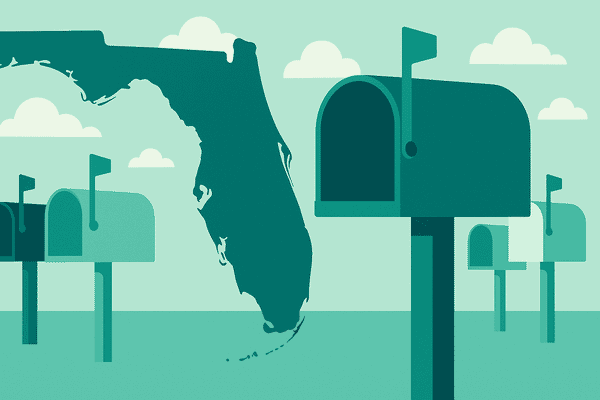
Florida
Florida is a very popular choice.
It offers:
- No state income tax
- A relatively flexible residency setup
- Strong infrastructure for expats and RVers
To get a license, you need a qualifying address and must visit the DMV in person. After that, Florida is usually easier to keep up with than other states.
Texas
Texas is another popular option.
It has:
- No state income tax
- A large support network for RVers
But Texas requires vehicle inspections, which can be a hassle if you aren’t in the state often.
South Dakota
South Dakota used to be the simplest option.
It still offers:
- No income tax
- Historically, minimal residency requirements
But recent changes mean:
- A mailbox alone may not be enough.
- More physical presence may be required.
- Address limitations that affect voting and some compliance processes.
It’s still viable, but no longer the easiest choice.
Other states (Nevada, Wyoming)
States like Nevada and Wyoming can work in certain cases.
They offer:
- No income tax
- Less crowded systems
But they may involve:
- Higher costs (Nevada)
- Less infrastructure (Wyoming)
These are more specialized options, depending on your needs.
Can you use a virtual mailbox for a driver’s license?
Usually, you can’t.
Virtual mailbox addresses are often labeled as CMRA addresses, which don’t count as residential.
Most DMVs want a real, physical residential address.
While some people try to use mailbox services, this can lead to:
- Application rejections
- Requests for additional proof
- Delays in processing
Having a proper residential address usually makes the process go smoothly.
Step-by-step: how to get a driver’s license as a nomad
The process is doable if you take the right steps.
1. Choose your domicile state
Choose a state that fits your travel habits and legal needs.
 Jameson Rader
2. Set up a compliant address
Make sure your address meets DMV rules, not just your mailing needs.
3. Gather required documents
Get your ID, Social Security papers, and proof of residency ready.
4. Visit the DMV in person
Most states want you to visit in person the first time you get a license.
5. Complete the process
Depending on your case, you might need to take a vision test, a written test, or a driving test.
Can you keep your existing license while living abroad?
Yes, in many cases you can keep your current license.
However, you’ll need to:
- Renew it before it expires.
- Meet your state’s renewal requirements.
- Sometimes return in person.
Some states let you renew online, but others make you come in person every so often.
Common mistakes to avoid
Digital nomads often run into trouble because they don’t realize how strict and connected these systems are. Small details can quickly become big problems if your records don’t match up. One common mistake is using an address that doesn’t meet official rules, especially with mailbox services that aren’t accepted as proof of residence.
Also, not updating your address with banks, government offices, and other organizations can lead to inconsistencies that raise questions later.
Another common problem is maintaining strong ties to your old state, such as property, accounts, or ongoing activities. This can make it harder to prove you live somewhere else. Many people also think that all states have the same rules, but requirements can vary widely. These mistakes can lead to delays, extra paperwork, or even rejection of your application.
What happens if your license address is not compliant
If your address doesn’t meet requirements, you may face:
- Application rejection
- Requests for additional documents
- Delays in processing
Sometimes, if your license, bank accounts, and other records don’t match, it can cause problems later.
Keeping everything consistent is important.
Driver’s license vs domicile: how they connect
A driver’s license is often used to prove residency, but it doesn’t decide your legal home by itself. Your domicile depends on where you live, how your finances are set up, and your overall connection to a state. So, your license is just one piece of the bigger picture.
How SavvyNomad can help
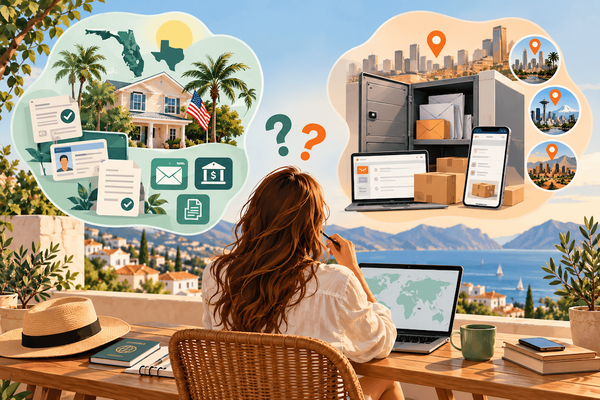
Getting a driver’s license as a digital nomad involves more than just the DMV.
You need to make sure your address, legal home, and paperwork all match up.
SavvyNomad helps you pick the right state, set up a proper address, and organize your records so everything lines up.
Conclusion
So, can a digital nomad get a U.S. driver’s license? Yes, but it doesn’t happen automatically.
You need to pick the right state, enter a valid address and follow the correct steps.
Your lifestyle can be flexible, but your paperwork needs to be organized.
With the right setup, you can maintain a valid license and avoid problems caused by mismatched or missing records.
FAQs
Can I get a US driver’s license without living in the US?
You can, but you’ll need to establish residency in a specific state and meet its requirements.
What is the easiest state for digital nomads?
Florida is often seen as one of the easiest options.
Can I use a mail forwarding address?
Usually not. Most DMVs require a residential address.
Do I need to visit the state in person?
Yes, in most cases, you need to visit in person the first time.
How often do I need to renew it?
It depends on the state, but usually you renew every few years.